Cybersecurity is no longer something only large companies and government agencies need to think about. Home users, small businesses, remote workers, and growing organizations all rely on computers, email, cloud storage, online accounts, and connected devices every day. That convenience also creates more opportunities for scams, stolen passwords, malicious software, and data loss.
For people searching for laptop repair in dayton, cybersecurity should be part of the conversation whenever a computer starts acting strangely, becomes infected, or needs to be restored after a security problem.
Professional technology support can help users understand the difference between a routine computer issue and a potential security concern. It can also help put practical protections in place before a bigger problem develops.
Cybersecurity Starts With Protecting the Basics
Strong cybersecurity does not always begin with expensive software. Many of the most effective protections are simple habits that reduce common risks.
Operating systems, web browsers, applications, and security tools should be kept up to date. Software updates often include fixes for vulnerabilities that attackers may try to exploit. Delaying those updates for long periods can leave otherwise functional computers exposed to known problems.
Passwords matter too. Reusing the same password across several accounts makes a single stolen credential much more dangerous. Unique passwords, stored securely, reduce the chance that one breach will unlock several services.
Multi-factor authentication adds another layer by requiring a second form of verification. That can help protect accounts even when a password is compromised.
Cybersecurity works best as a collection of small protections rather than one single solution.
Phishing and Social Engineering Remain Major Risks
Many cyberattacks do not begin with advanced hacking. They begin with a convincing message.
Phishing emails, fake login pages, text messages, phone calls, and fraudulent support requests are designed to make people act quickly. A message may claim that an account is locked, a payment failed, a package is delayed, or an urgent security problem needs immediate attention.
The goal is often to steal login credentials, collect payment information, or convince the user to install malicious software.
A useful defense is to slow down before clicking. Check the sender, inspect the message for unusual wording, and avoid opening unexpected attachments. If a message claims to come from a service you use, go directly to that service through a known app or saved address rather than clicking the link in the message.
Security awareness matters because even strong technical protections cannot prevent every user from being targeted.
Professional Support Can Help Detect and Remove Threats
Some security problems are obvious. A computer may display suspicious pop-ups, redirect web searches, install unfamiliar programs, or suddenly become extremely slow. Other problems are harder to notice.
Malware can run quietly in the background, browser extensions can collect more information than expected, and unwanted remote-access tools may be installed without the user fully understanding what they do.
Professional support can help inspect a system for suspicious software, review startup programs, check browser settings, update security tools, and determine whether a full cleanup or operating system repair is appropriate.
Layer 2 Computers – Tech Support, Computer Repairs, and IT Services can help customers with computer support needs that may include security concerns, device performance, repairs, and system troubleshooting.
If a security incident involves sensitive accounts, users should also consider changing passwords from a known-clean device and reviewing important accounts for unusual activity.
Backups Are a Critical Part of Cybersecurity
Cybersecurity is not only about preventing attacks. It is also about being prepared when something goes wrong.
Ransomware, hardware failure, accidental deletion, theft, power events, and physical damage can all make important files unavailable. A reliable backup gives users another way to recover.
Important data should not exist in only one location. A good backup strategy may include local storage, cloud-based backup, or a combination of both depending on the user’s needs.
Backups should also be checked periodically. A backup that has not completed successfully or cannot be restored is not much protection.
For businesses, backup planning should include important files, business applications, shared data, and any systems required to keep operations running. Recovery expectations should be realistic so the organization understands what can be restored and how quickly.
Having a backup does not stop an attack, but it can reduce the damage caused by one.
Security Is Also About Networks and Connected Devices
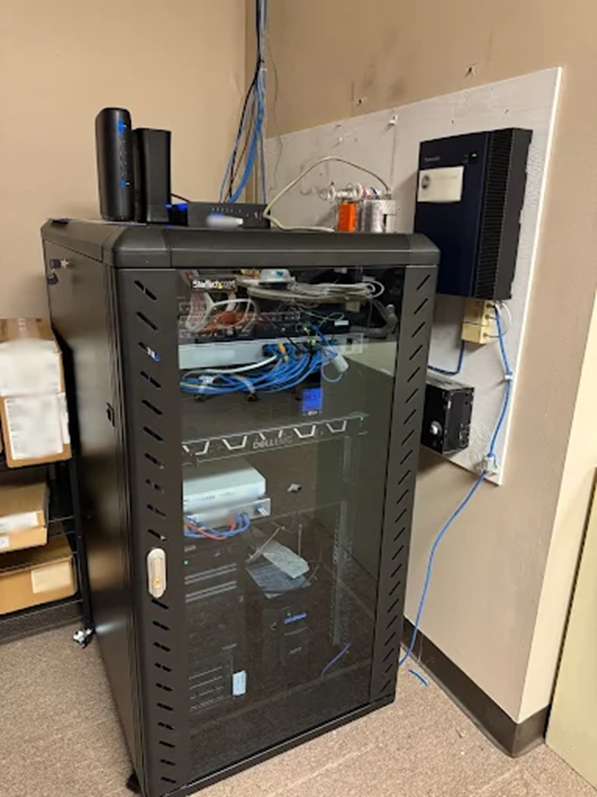
Computers do not operate in isolation. Home and business networks may include routers, printers, phones, tablets, smart devices, cameras, and other equipment connected to the same environment.
Routers should use strong administrative passwords, current firmware when available, and secure wireless settings. Default credentials should be changed because publicly known defaults can create unnecessary risk.
Businesses may need additional controls depending on their size, industry, and data. That can include separate user permissions, network segmentation, endpoint protection, managed updates, security monitoring, or policies for remote access.
The goal is to limit unnecessary exposure. Not every device or user needs access to every part of a network.
Connected devices should also be reviewed over time. Old equipment that no longer receives updates may create risk even if it still appears to work correctly.
Human Habits Matter as Much as Security Software
Security tools are important, but user behavior often determines whether an attack succeeds.
People should be cautious about unexpected downloads, unfamiliar USB devices, browser warnings, and requests for remote access. Support scams frequently rely on convincing users to install software that gives an attacker control of the computer.
It is also important to know that legitimate companies do not need a user to ignore every warning or disable security protections simply to provide routine support.
Families and businesses benefit from clear rules. Users should know who to contact when something looks suspicious and should feel comfortable asking before clicking.
For organizations, basic security training can help employees recognize phishing attempts, protect account credentials, and report unusual behavior quickly. Early reporting can make a major difference when a real incident occurs.
Cybersecurity is stronger when people understand why protections exist instead of treating them as obstacles.
Strong Cybersecurity Is Built Through Consistent Habits
Cybersecurity does not require fear, but it does require attention.
Keeping systems updated, using unique passwords, enabling multi-factor authentication, maintaining backups, watching for phishing, and reviewing connected devices can reduce many common risks. Professional support can add another layer by helping users diagnose suspicious behavior, remove threats, and improve how systems are configured.
The most important idea is consistency. Security is not something to set once and forget. Accounts change, software changes, devices age, and new scams appear regularly.
Home users should review their important accounts and backups from time to time. Businesses should think about security as part of everyday operations rather than only after an incident.
A computer that works properly is important. A computer that works properly while protecting the data and accounts connected to it is even more valuable. With practical habits and dependable support, users can make cybersecurity part of normal technology care instead of waiting until a serious problem forces the issue for everyone involved.